Marrakech Museums: Cultural Outings with Children
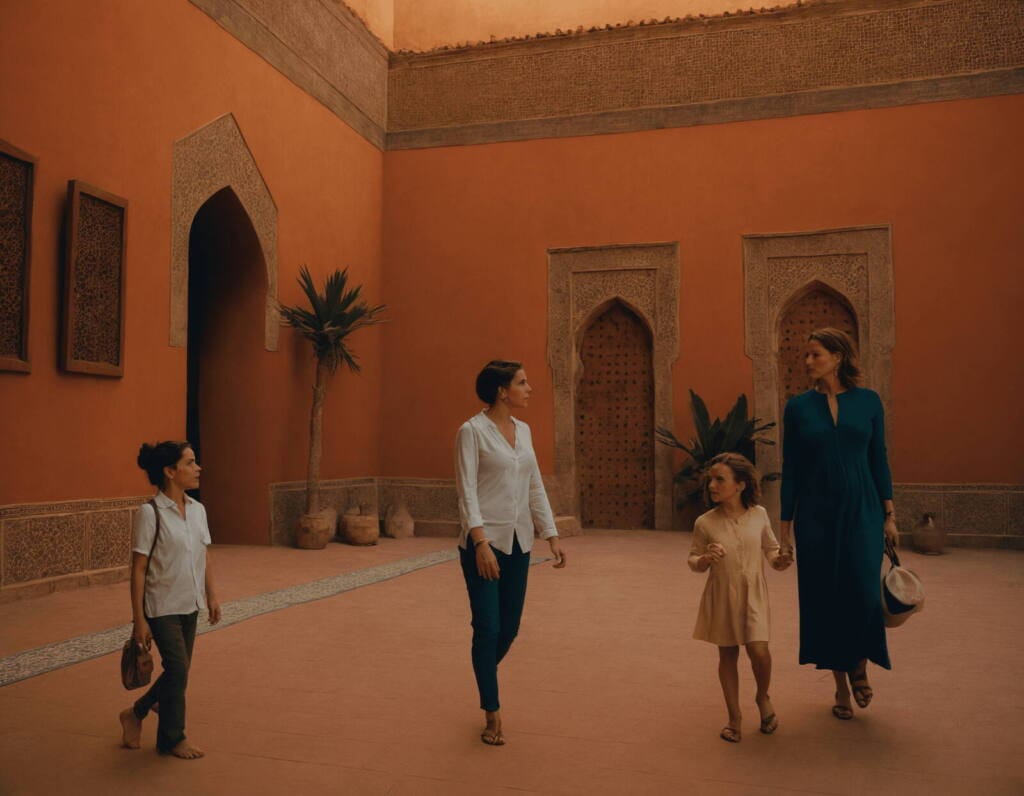
At Little Nomad, the family equipment specialist in Marrakech, we are often asked whether the city’s museums are worth visiting with little ones, and the answer is a clear yes. Updated for 2026, this guide explains how to enjoy the Marrakech museums with children of any age, from babies to toddlers. We look at which venues are easiest with a pushchair, how to organise a calm and rewarding visit, and which equipment makes cultural outings genuinely relaxing. Whether you are planning a single morning of culture or weaving museums into a longer family trip, our goal is to give you practical, reliable advice you can apply the moment you arrive in the red city.
Key figures for cultural tourism in Marrakech (2026)
Before planning your visits, a few numbers help explain why Marrakech has become such a magnet for families interested in culture. The city concentrates a large share of Morocco’s tourism, and its museums and garden-museums are increasingly welcoming younger visitors.
| Indicator | Value 2025-2026 | Source |
|---|---|---|
| Tourist arrivals in Morocco | 19.8 million (+14%) | Ministry of Tourism |
| Marrakech share of tourism activity | ~1/3 of the Kingdom | Médias24 |
| Marrakech-Menara airport passengers | 10.2 million (+10%) | ONDA |
| Parents travelling with a child under 5 | ~62% of families | Family travel trends |
| Arrivals target by 2030 | 26 million | Tourism roadmap |
What these figures show is that family cultural tourism is no longer a niche. Museums in Marrakech increasingly cater to parents with young children, and a little planning is all it takes to turn a visit into a highlight of the trip rather than a logistical headache.
Why take your children to the museums of Marrakech
Visiting a museum with a baby or toddler is about far more than ticking off a sight. The patios, fountains, carved cedar ceilings and colourful zellige of Marrakech’s museums are a feast for young eyes, and even a small child responds to the change of light, sound and scale. Cultural outings also offer something practical for parents: shaded, calmer spaces away from the heat and bustle of the souks, where the pace naturally slows down.
For children, these visits plant the first seeds of curiosity about art, craft and history. For the whole family, they create shared memories that a beach day or a pool afternoon rarely match. With the right rhythm and a little equipment, the Marrakech museums become a place where children are welcome rather than merely tolerated.
Which museums to choose with a baby or young child?
Not every venue suits every age. Some are wide, flat and stroller-friendly; others occupy historic palaces with steps, thresholds and narrow rooms. The table below sums up the main types of venue and what to expect with children.
| Type of venue | Strengths with children | Points to watch |
|---|---|---|
| Garden-museum | Open space, fresh air, easy with a stroller | Sun protection essential |
| Museum in a former palace | Patios, fountains, fascinating décor | Sometimes steps and thresholds |
| Heritage house | Short visit, intimate atmosphere | Rooms can be narrow |
| Contemporary art museum | Bright, open spaces | Fragile works not to be touched |
As a rule of thumb, garden-museums and ground-level venues are the most forgiving with a baby in a pushchair, while palace museums reward visitors who travel light with a carrier. Choosing the venue to match your child’s age, and your equipment, is the single biggest factor in how smoothly the visit goes. The nearby Majorelle Gardens with a baby are a perfect example of an outdoor, stroller-friendly cultural space.
It also helps to remember that “museum” in Marrakech covers a wide spectrum, from intimate heritage houses to sprawling garden estates and sleek contemporary galleries. This variety is good news for families: whatever your child’s age and temperament, there is almost certainly a venue that fits. Matching the place to the child, rather than forcing a long classical museum tour, is what makes the difference between a treasured memory and a tearful exit.
Stroller or baby carrier for visiting museums?
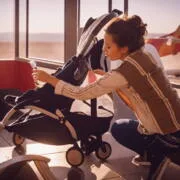
The eternal question for parents in Marrakech is whether to bring a stroller or a carrier. The honest answer is that each has its place, and the ideal is often to have both available. A physiological baby carrier shines in the medina and in palace museums with steps and tight rooms, while a compact stroller is unbeatable for comfort in the open garden-museums.
| Equipment | Use during the visit | Little Nomad tip |
|---|---|---|
| Physiological baby carrier | Clearing steps and narrow rooms | Ideal in the medina |
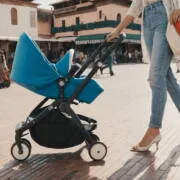
| Compact stroller | Comfort in garden-museums | A foldable model is best |
| Travel changing mat | Changing in a quiet patio | Few dedicated spaces on site |
| Water bottle and snack | Hydration and energy | Check if allowed inside the museum |
| Hat and sunscreen | Patios and open-air gardens | Protection even in the shade |
Renting both a carrier and a foldable stroller locally means you can pick the right tool for each venue without hauling bulky gear from home. It is the same logic of travelling light that makes family days out so much easier, as we explain in our guide on what to do in Marrakech with children.
Organising your family cultural visit well
A successful museum outing with young children is mostly about timing and rhythm. Aim for the opening hour in the morning, when the light is soft, the temperature pleasant and the crowds thin. Keep the visit short, a toddler’s attention rarely stretches beyond forty-five minutes to an hour, and build in a pause for a snack and a nappy change before anyone gets tired or fractious.
Plan your route in advance: identify the entrance, the nearest shaded patio and any steps you may need to navigate with a carrier. Bring water, a hat and a small snack, and check the museum’s rules on food and photography on arrival. Above all, stay flexible. If your child is captivated by a fountain rather than a painting, let the visit follow their curiosity, that is exactly how a love of culture begins.
Extending the discovery: gardens, crafts and sensory awakening
A museum visit is even richer when it is paired with complementary activities that suit a young child’s energy. After the quiet of the galleries, a walk in a garden lets a toddler run, breathe and reconnect with nature. Watching an artisan at work, a weaver, a potter or a metalworker, sparks wonder and engages the senses in a way no display case can.
| Complementary activity | Benefit for the child | Practical tip |
|---|---|---|
| Walk in a garden | Letting off steam and discovering nature | Bring a hat and water |
| Watching a craft workshop | Sensory awakening and wonder | Keep the child away from tools |
| Snack break in a patio | Rest and an energy boost | Find a shaded corner |
Alternating calm indoor culture with active outdoor time is the secret to a morning that pleases both parents and children. It keeps little legs happy and turns a single museum into the centrepiece of a varied, memorable outing.
Case study: a museum morning with a 2-year-old
To make this concrete, picture a family on a four-day stay in Marrakech with a two-year-old. Rather than carrying a stroller from Europe, the parents rent a compact pushchair and a physiological carrier from Little Nomad, delivered to their riad. They set off early, using the stroller to reach a garden-museum while the morning is still cool, then switch to the carrier when they move into a palace museum with steps and narrow rooms.
Around mid-morning they pause in a shaded patio for a snack and a quick nappy change on their travel mat, then let their toddler toddle freely in the garden before the heat builds. By late morning, before tiredness sets in, they head back to the riad for lunch and a nap. The whole outing lasts barely two hours, yet the child has seen fountains, colours and a craftsman at work, and the parents never once had to improvise or carry heavy gear across the medina.
One last tip: involve your child in the visit rather than expecting them to stay passive. Pointing out a fountain, counting the colours in a tiled wall or spotting animals in a painting turns a gallery into a game. Toddlers who feel part of the adventure stay engaged far longer, and parents get to enjoy the art instead of managing restlessness.
Your checklist for a successful museum outing
Before heading out, a short checklist keeps the morning smooth. Choose a venue that matches your child’s age, favouring garden-museums for a baby in a stroller. Arrive at opening time to enjoy soft light and small crowds. Pack water, a hat, sunscreen and a snack, plus a travel changing mat. Bring both a carrier and a compact stroller if you can, so you are ready for steps as well as open paths. Keep the visit short and flexible, and plan a shaded pause. With these basics covered, the cultural side takes care of itself and the day stays enjoyable for everyone.
Simulator: which equipment for your stay?
Depending on your child’s age and weight, the length of your stay and the outings you have planned, the right combination of stroller, carrier and accessories will vary. To get a personalised recommendation of the gear to rent for your museum days and beyond, use our simulator below.
🧳 Simulator: which equipment do you need?
Answer 4 questions for a personalised recommendation.
FAQ, Visiting Marrakech museums with children
Are Marrakech museums accessible with a stroller?
It depends on the venue. Garden-museums and ground-level spaces are easy to explore with a stroller, while some museums set in old palaces have steps and narrow rooms where a baby carrier works better.
At what age can you take a child to a museum?
At any age, including babies. The key is to adapt the venue and the length of the visit to your child, favouring open, calm spaces and short outings for the youngest.
How long should you plan for a visit with a toddler?
Around forty-five minutes to an hour is usually ideal. A toddler’s attention is short, so a focused visit followed by a snack or a walk works far better than a long tour.
What is the best time to visit a museum as a family?
Early in the morning, at opening time. The light is soft, the temperature pleasant and the crowds are thin, which makes the experience calmer for a young child.
Can you change and feed a baby in the museums?
Dedicated facilities are rare, so a portable changing mat and a planned snack are essential. A quiet, shaded patio often makes the most comfortable spot for a quick break.
Should you rent equipment or bring everything?
Renting locally avoids baggage fees and the bulk of carrying gear, and lets you have both a stroller and a carrier on hand. You receive clean, checked equipment delivered to your accommodation, ready to use.
Conclusion
Visiting the Marrakech museums with children is not only possible, it is one of the most rewarding things a family can do in the city. With the right venue, an early start, a short and flexible visit and the right mix of stroller and carrier, culture becomes a pleasure rather than a challenge. Rather than carrying bulky equipment from home, rent what you need on site and have it delivered to your door. Book your family gear with Little Nomad and turn every museum morning into a calm, memorable adventure.
Sources and references
- Ministry of Tourism, Handicrafts and Social and Solidarity Economy, 2025 tourism review.
- ONDA, Marrakech-Menara airport traffic figures.
- Médias24, coverage of Marrakech’s share of national tourism.